Chemical Composition and Food Safety Risks
You might assume all gloves offer the same level of protection, but vinyl gloves present unique challenges when it comes to food contact. Their inherent chemical makeup makes them less suitable for handling edibles, particularly certain types of food. You need to understand these underlying chemical properties to make informed choices for your food safety protocols.
Understanding the specific compounds present in vinyl gloves reveals why they pose a potential risk. These materials are not inert and can interact with the foods you are preparing, leading to undesirable consequences. You should be aware of these potential interactions to safeguard consumer health.
Presence of Phthalates and Endocrine Disruptors
One primary concern with vinyl gloves is the inclusion of phthalates, plasticizers used to make the material flexible. These chemicals are not chemically bound to the PVC polymer and can leach out over time. You should recognize phthalates as known endocrine disruptors, substances that interfere with the body’s hormonal system.
Exposure to endocrine disruptors, even in small amounts, raises health concerns. Your customers could unknowingly ingest these chemicals if they migrate from the gloves to the food. You must prioritize materials that do not introduce such risks into the food chain.
Risks of Chemical Migration into Fatty Foods
Another significant issue arises when vinyl gloves come into contact with fatty or oily foods. The phthalates, along with other plasticizers, are lipophilic, meaning they dissolve readily in fats. You will find that this property dramatically increases the likelihood of chemical migration.
When handling foods like cheeses, meats, or baked goods, the fat content acts as a solvent, pulling these chemicals from the glove. You are importantly creating a pathway for potentially harmful substances to transfer directly into the food item.
The migration of these chemicals is not limited to surface contact; repeated handling or prolonged exposure can lead to higher concentrations within the food itself. You can imagine the implications for consumer health, especially for individuals who consume these foods regularly.
Structural Limitations and Barrier Failure
You might assume all gloves offer a similar level of protection, but vinyl gloves present inherent structural weaknesses that compromise their barrier integrity. These limitations mean you are not receiving the consistent protection needed when handling food.
Consider the fundamental material properties; vinyl is a rigid polymer that stretches poorly. This characteristic leads to a higher propensity for microscopic defects to form, especially during routine use.
High Incidence of Micro-perforations
Numerous studies reveal vinyl gloves exhibit a significantly higher rate of micro-perforations compared to other glove materials, even before use. These tiny, invisible holes can allow bacteria and other contaminants to pass through the glove.
Your hands, therefore, are not adequately shielded from food, nor is the food fully protected from your hands. This compromises hygiene standards in a food service environment.
Inadequate Protection Against Viral Pathogens
Research indicates vinyl gloves do not provide a reliable barrier against viral pathogens. The larger pore size of the vinyl material allows viruses to penetrate the glove surface with relative ease.
You are putting both yourself and consumers at risk of viral transmission. This is a serious concern, especially given the rapid spread of foodborne illnesses.
The molecular structure of PVC, the primary component of vinyl gloves, features larger spaces between its polymer chains compared to nitrile or latex. This inherent structural characteristic makes it easier for sub-micron-sized viral particles to migrate through the material, even in the absence of visible tears or perforations. You are necessaryly relying on a sieve for protection against microscopic threats.
Physical Durability in Professional Kitchens
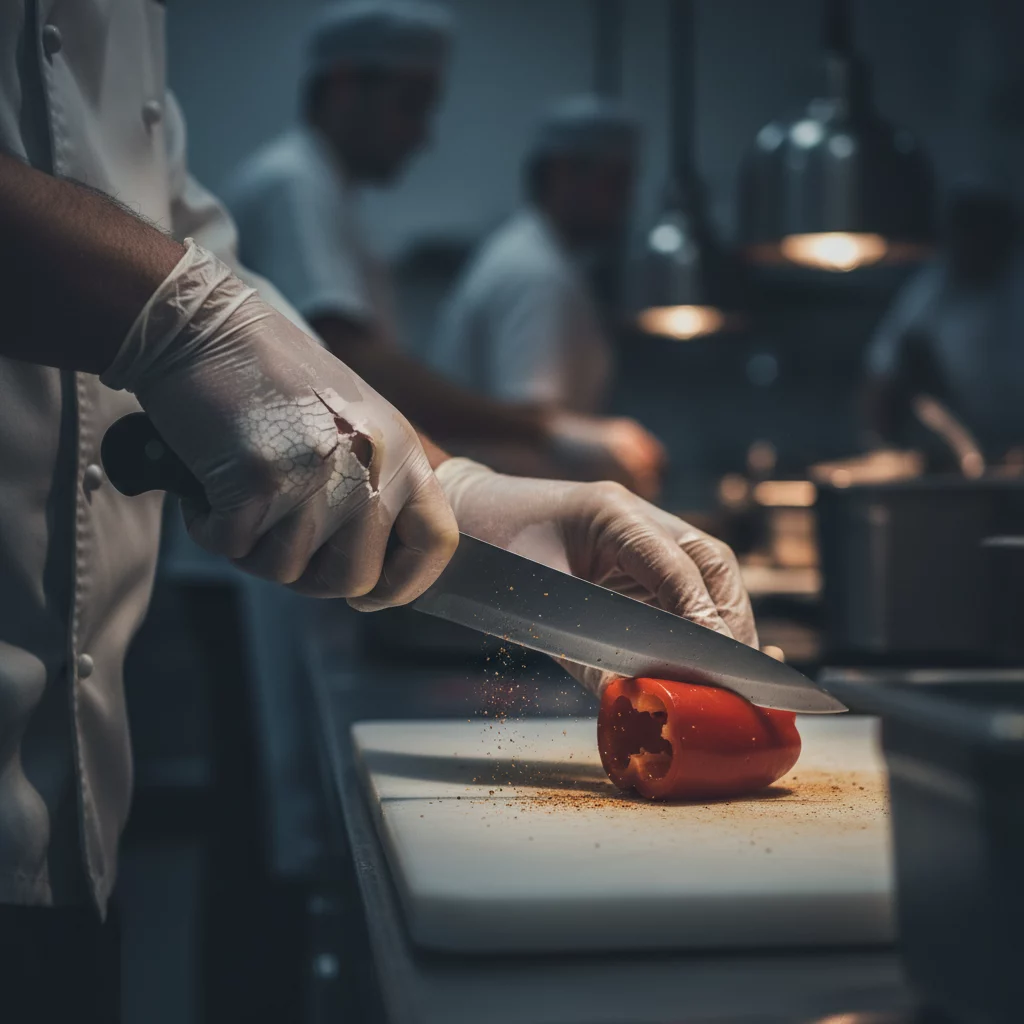
Vinyl gloves simply do not stand up to the rigorous demands of a professional kitchen environment. You will find their structural integrity compromised quickly under typical operational stresses. This lack of resilience poses significant risks to food safety, making them an unsuitable choice for any establishment prioritizing hygiene.
You need gloves that maintain their barrier properties throughout an entire shift. The inherent weaknesses of vinyl material mean they offer inferior protection when compared to more durable alternatives. Your food preparation requires a reliable barrier, something vinyl struggles to provide consistently.
Poor Resistance to Heat and Friction
You will notice vinyl gloves quickly degrade when exposed to the heat common in kitchens. Preparing hot food or working near cooking surfaces causes them to weaken, stretch, and even melt. This compromises the protective barrier between your hands and the food.
Working with various kitchen tools and surfaces introduces friction, which vinyl cannot withstand. Constant contact with rough textures or sharp edges leads to tears and punctures. Your hands and the food become vulnerable to contamination as the glove fails.
Tendency for Material Degradation During Use
You will observe vinyl gloves becoming brittle and stiff over time with repeated use. This material breakdown makes them prone to cracking and flaking, especially around the fingertips. Such degradation introduces potential foreign objects into your food.
The plasticizers in vinyl, which give it flexibility, can leach out during use, particularly when exposed to oils or fats. This process further weakens the glove’s structure. Your food safety protocols are undermined as the glove’s integrity diminishes.
This degradation means tiny particles of vinyl can break off and enter the food you are preparing. You could inadvertently contaminate dishes with microscopic plastic fragments, posing a health risk to consumers. The material’s inherent instability makes it a poor choice for food handling where cross-contamination must be rigorously avoided.
Environmental and Sustainability Concerns
Beyond performance issues, you should consider the significant environmental footprint associated with vinyl gloves. Your choice of glove impacts not only your food safety practices but also the planet’s health, demanding a responsible approach to material selection. The long-term implications of vinyl production and disposal present compelling reasons to seek alternatives.
Think about the entire lifecycle of a vinyl glove, from its creation to its eventual disposal. Your understanding of these environmental factors will highlight why vinyl is a poor choice for sustainable food handling operations. Opting for more eco-friendly materials aligns with broader sustainability goals.
Ecological Impact of PVC Production
Manufacturing polyvinyl chloride (PVC), the primary component of vinyl gloves, consumes substantial energy resources. This energy-intensive process contributes to greenhouse gas emissions and a larger carbon footprint. You are directly supporting these practices when you purchase vinyl gloves.
The production of PVC also involves hazardous chemicals, which can pollute local ecosystems if not managed responsibly. Your awareness of these production challenges helps you make more informed purchasing decisions. Consider the broader environmental cost beyond the immediate price tag.
Toxic Byproducts of Vinyl Disposal
Disposing of vinyl gloves presents a serious environmental hazard due to their non-biodegradable nature. They persist in landfills for centuries, contributing to ever-growing waste problems. Your discarded gloves will remain a pollutant for generations.
Burning vinyl gloves, a common disposal method in some regions, releases highly toxic dioxins and furans into the atmosphere. These dangerous chemicals pose severe health risks to both humans and wildlife. You are contributing to air pollution when vinyl products are incinerated.
These toxic byproducts, including dioxins, are persistent organic pollutants that can travel long distances through the atmosphere and accumulate in the food chain. Animals absorb these chemicals, which then transfer to humans through consumption, leading to potential health issues such as reproductive and developmental problems, immune system damage, and cancer. Your simple act of choosing vinyl gloves has far-reaching consequences for ecological health and human well-being.
Superior Alternatives for Food Handling
You have many superior options beyond vinyl when selecting gloves for food service. These alternatives offer better protection, comfort, and compliance with food safety standards, ensuring both your staff and customers remain safe. Making the right choice in glove material directly impacts your operational hygiene and reputation.
Consider the specific tasks your team performs to determine the most appropriate glove type. Different materials excel in various applications, from high-risk food preparation to simple handling. Selecting the correct glove enhances efficiency and reduces the potential for contamination.
Benefits of Nitrile for High-Risk Tasks
Nitrile gloves offer exceptional puncture resistance, making them ideal for tasks involving sharp objects or extended wear. Your team will appreciate their superior strength and durability, minimizing the risk of tears during critical food preparation. These gloves also provide an excellent barrier against various chemicals and bacteria.
You will find nitrile gloves fit snugly, offering a high degree of tactile sensitivity. This allows your staff to maintain precision and control when handling delicate ingredients or performing intricate tasks. Their hypoallergenic properties also make them a safe choice for individuals with latex allergies.
Polyethylene for Low-Contact Applications
Polyethylene gloves present a cost-effective solution for quick, low-contact food handling tasks. Your staff can easily don and doff these loose-fitting gloves, making them perfect for situations requiring frequent glove changes. They provide a basic barrier for minimal contact.
These lightweight gloves are excellent for tasks like serving baked goods, bagging produce, or handling pre-packaged items. You will find them practical for any application where a quick, disposable glove is needed without extensive protection.
Polyethylene gloves are generally thinner and less durable than nitrile, but their affordability and ease of use make them a popular choice for specific, low-risk food service scenarios. You can purchase them in large quantities, ensuring your establishment always has a ready supply for quick tasks throughout the day.
Final Words
Conclusively, you should avoid using vinyl gloves when handling food due to their inherent limitations. Vinyl is a less durable material compared to nitrile or latex, making it prone to tearing and puncturing, which can introduce microscopic fragments of plastic into the food you are preparing. This material also possesses a higher permeability, allowing bacteria and viruses to pass through the glove and contaminate the food, even if the glove appears intact.
You risk compromising food safety and potentially exposing consumers to health hazards by choosing vinyl gloves. These gloves offer inadequate protection against cross-contamination, and their material composition can react with certain foods, transferring unwanted chemicals. Protecting public health and maintaining high hygiene standards mandates you opt for safer, more effective glove materials in food preparation settings.